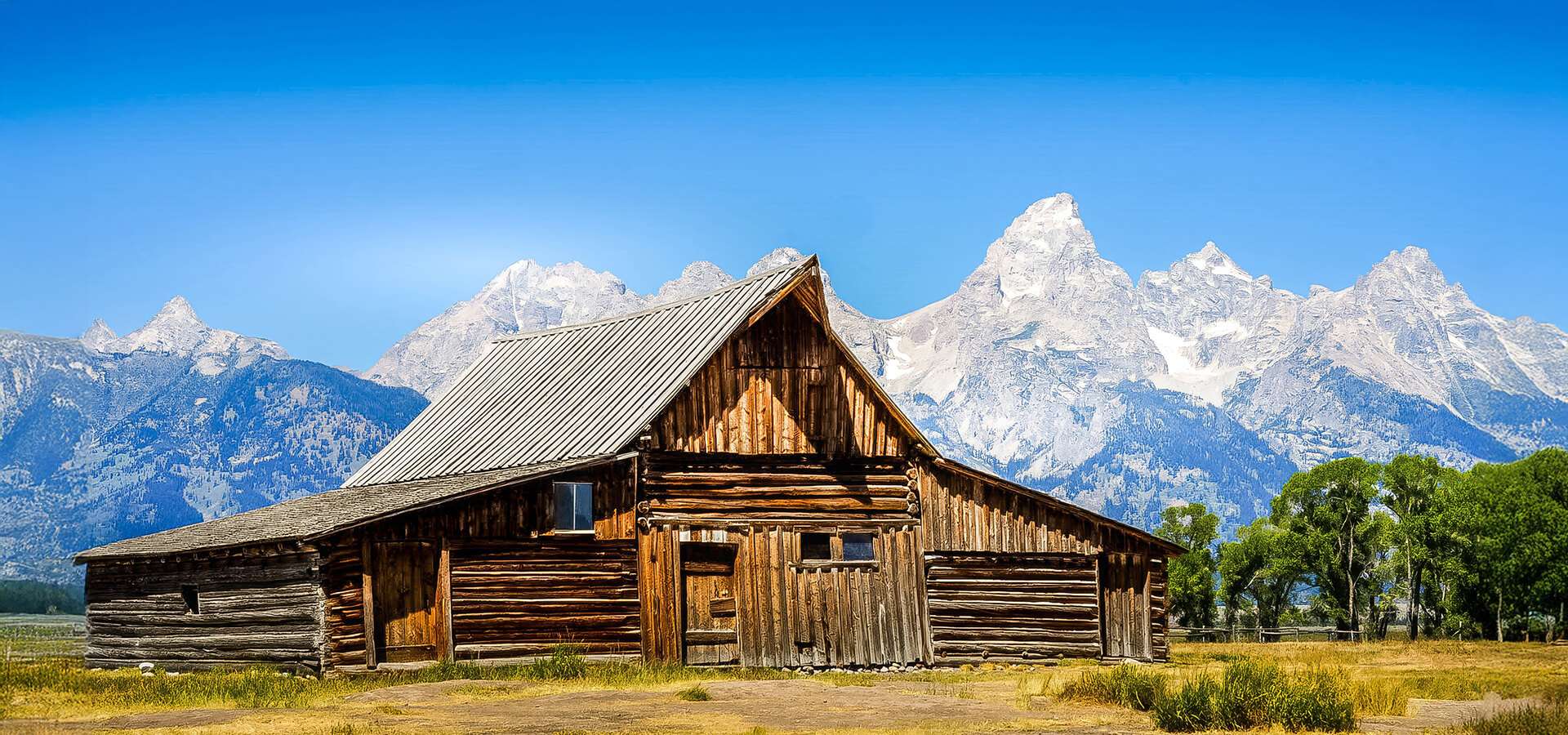
Grass
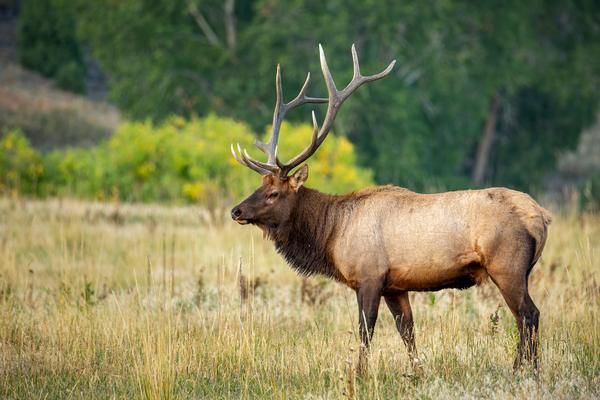
If you’ve been dreaming about chasing bugling bulls through rugged mountain country, you’re not alone. Every year, hunters from across the country travel west for the experience of a lifetime — and for many, that first trip is a Wyoming guided elk hunt.
A Wyoming hunt is an investment of time and money and, as an outfitter, I field a lot of questions from hunters new to WY who’ve never booked an outfitted hunt before. In this post, I’ll share my thoughts on some of the most commonly asked questions, including:
- What should I be asking and considering when choosing an outfitter?
- What is a guided hunt experience really like?
- How physically demanding is it and what should I be doing to prepare?
- What gear do I need and how does that vary by hunt?
- What does a typical day in elk camp look like?
This guide will walk you through exactly what to expect so you can feel confident, prepared, and excited about your first adventure.
Why Choose a Wyoming Guided Elk Hunt?
Wyoming is widely considered one of the best places in North America for elk hunting. With vast public lands, healthy elk populations, and breathtaking wilderness terrain, it offers an authentic Western hunting experience that’s difficult to match.
Booking a guided hunt, and depending on the outfit you choose, provides several advantages, especially for first-time elk hunters:
- Access to remote hunting areas
- Experienced guides who know the area and how elk behave in those specific areas
- Professional logistics and camp setup
- Higher success rates
- Safety in wilderness area (this may seem unnecessary to mention, but the remoteness of WY, combined with predators, adds an element many first-time WY hunters may have never experienced)
For hunters unfamiliar with Western big-game hunting, going guided removes much of the guesswork and allows you to focus on the experience and hunt itself.
What Happens Before the Hunt
Booking and Planning
Once you reserve your hunt, your outfitter will help you prepare for the season months in advance. You’ll typically receive information about:
- Preference point and licensing process and requirements
- Recommended gear lists
- Travel logistics
- Physical fitness expectations
- Weather conditions during your hunt dates
Most outfitters also provide guidance on firearm or bow setup, practice recommendations, and shooting distances typical for the terrain.
You’ll also want to carefully review the outfitter’s hunt descriptions so you understand what’s included, such as lodging, meals, field dressing, and trophy care. Check out our Hunts and Pricing pages to help you plan.
Arrival at Base Camp
Some outfitters operate from lodges on private land, others offer “truck and trailer” hunts where they’ll pick you up from town and take you into the field for the day, and others will offer a traditional camp at a public trailhead, or use a trailhead as a staging area and then escort you deeper into the mountains by foot, horseback, or ATV.
Especially for backcountry camps, your first afternoon at camp will typically include a review of safety protocols, daily schedules, and hunting strategies before the hunt officially begins.
If you’re curious about what camp life looks like, check out our Camp Experience page to give you a realistic preview.
Life in Elk Camp
One of the most memorable parts of a Wyoming guided elk hunt is camp life itself.
Comfortable but Rustic
Most wilderness elk camps are designed to balance comfort with authenticity. Depending on the outfitter, you may stay in:
- Wall tents with wood stoves
- Cabins
- Remote backcountry spike camps
Despite the remote setting, you’ll usually enjoy hearty home-cooked meals, warm sleeping arrangements, and a welcoming camp atmosphere.
Daily Routine
A typical day in elk camp looks something like this:
Early Morning
- Wake up before sunrise
- Quick breakfast and coffee
- Ride or hike to hunting areas
Midday
- Break for lunch in the field
- Glassing and scouting
Evening
- Return to camp in the dark after an evening of hunting
- Dinner and storytelling
- Planning for the next day
The rhythm of camp quickly becomes one of the most rewarding aspects of the experience.
Physical Demands of the Hunt
One of the most common questions first-time hunters ask is:
“How physically challenging is a Wyoming guided elk hunt?”
The answer depends on terrain, elevation, and hunting style.
Expect:
- Hiking/riding in mountainous terrain
- Walking several miles per day or, if going horseback, riding 10-20 miles per day
- Changing weather conditions and temperature swings
While you don’t need to be an elite athlete, basic fitness makes the experience far more enjoyable. Many outfitters recommend preparing with cardio training, hiking, and strength conditioning months before your trip.
Understanding Elk Behavior
Your guide plays a crucial role in helping you understand elk habit and hunting strategies.
During your hunt, you’ll learn about:
- Seasonal elk movement patterns
- How weather affects elk activity
- Identifying feeding and bedding areas
- Calling techniques during rut season
- Wind direction and scent control
This educational aspect is one of the biggest benefits of booking a guided hunt, especially if you’re new to elk hunting.
The Role of Your Guide
Your guide is your partner throughout the hunt, and their experience significantly influences your success.
A professional elk hunting guide will:
- Have an intimate knowledge of elk behavior, including how and when they move, specific to their hunt area
- Choose the best hunting strategies
- Help judge bull size and legality
- Assist with field dressing and packing out
- Ensure safety at all times
Most importantly, they help you stay confident and focused during the ups and downs of hunting.
What Happens When You Harvest an Elk
Successfully harvesting an elk is a moment you’ll never forget — but it also marks the start of important post-harvest steps.
Your guide will typically handle:
- Field dressing the animal
- Transporting the harvest back to camp
- Preparing the trophy for taxidermy
- Coordinating meat processing
This is another major advantage of guided hunts, as elk retrieval can be extremely demanding without professional support.
What Gear You’ll Need
Your outfitter will provide a detailed packing list, but essential gear typically includes:
- Quality boots with ankle support
- Weather-appropriate clothing layers
- Rain gear
- Daypack
- Optics
- Rifle or bow with proper setup
- Personal essentials
Proper gear makes a huge difference in comfort and success, especially in unpredictable mountain weather.
Weather and Seasonal Conditions
Fall in Wyoming brings a wide range of conditions.
Hunters should be prepared for:
- Warm afternoons (especially in September)
- Freezing mornings
- Rain or snow
- Strong winds
- Rapid weather changes
Layering clothing is essential to stay comfortable throughout the day.
The Emotional Experience of an Elk Hunt
Beyond the physical and logistical aspects, a Wyoming guided elk hunt is deeply emotional and memorable.
Hunters often describe:
- The thrill of hearing a bull elk bugle
- The quiet solitude of wilderness landscapes
- The camaraderie of camp life
- The pride of harvesting a trophy animal
- The connection to nature and conservation
For many, the experience becomes a lifelong tradition.
How to Choose the Right Outfitter
Selecting the right outfitter is one of the most important steps in planning your hunt.
Considering asking:
- What’s your average success rate over the past 3–5 years?
- How many hunters are in camp at one time?
- What’s the guide-to-hunter ratio?
- What’s the average shot distance?
- What’s the typical day like?
- Is this public land, private land, or both? If public, is it BLM, Forest Service or Wilderness Area?
- What exactly is included in the price?
- How do you help with Wyoming’s tag application process?
Check out our About Us and Testimonials pages to see what people are saying about us.
Tips for First-Time Elk Hunters
If this is your first guided hunt, these tips will help you succeed:
- Start physical training early
- Practice shooting regularly
- Break in your boots before the trip
- Communicate your expectations, and abilities, with your guide
- Trust your guide’s expertise
- Embrace the full experience, not just the harvest
Remember: success isn’t only measured by filling a tag — it’s about the adventure.
Is a Wyoming Guided Elk Hunt Worth It?
For most hunters, the answer is a resounding yes.
A guided elk hunt offers:
- Expert knowledge
- Access to prime hunting territory
- Safety and support
- Higher success potential
- An unforgettable wilderness experience
For first-time Western hunters especially, it provides the confidence and structure needed to fully enjoy the journey.
Final Thoughts
Your first Wyoming guided elk hunt is more than just a hunting trip — it’s an immersive adventure into the heart of the American West.
From bugling bulls echoing across mountain valleys to evenings spent around a campfire under endless stars, every moment becomes part of a story you’ll carry for the rest of your life.
With proper preparation, the right outfitter, and a spirit of adventure, you’ll be ready to step into the wilderness and experience elk hunting the way it was meant to be.
Posted in: Tips