Grass
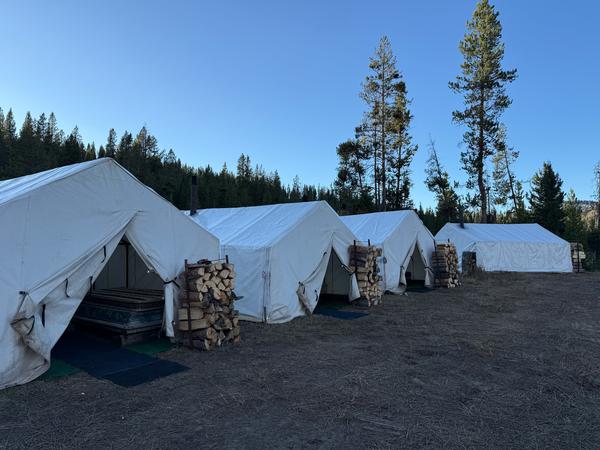
I’m writing this blog after returning from a summer trip up to camp to clear trails, cut firewood, clean out our spring (yes, we get to drink right out of the mountain) and ensure the bones of camp were ready for our formal camp set-up in August. As we rode out of camp, the anticipation and excitement for the upcoming season became real.
As summer progresses, I believe many of our guests begin feeling the same. The draw results have long since been posted, the countdown on the calendar is getting shorter, and the gear you've been collecting all summer is finally starting to find its way into duffel bags and rifle cases. Maybe you've spent the last few months hiking with a weighted pack, shooting your bow every evening after work, or making one more trip to the range to verify your rifle is still dialed in. After months—or perhaps years—of planning, your Wyoming hunt is almost here.
For many of our hunters, this trip represents more than a vacation. It's a goal they've worked toward through preference points, careful planning, and countless conversations around the dinner table. That's part of what makes these hunts so rewarding. They aren't spur-of-the-moment adventures; they're experiences that have been anticipated for a long time.
A little preparation now allows you to spend less time worrying about forgotten gear and more time enjoying every minute once you're in the mountains. One of the first things I encourage hunters to do is take a few minutes to gather all of the paperwork they'll need before they leave home. I encourage our guests to double-check that they have packed their:
- Conservation stamp (this is usually not a separate document, and the number can be found on your license)
- Elk special management permit (for elk hunters)
- Archery permit (for archery hunters)
- Identification
It sounds simple, but organizing those items ahead of time eliminates one less thing to think about during travel. If you're flying, it's also worth confirming airline policies for firearms or archery equipment and double-checking your rental vehicle or hotel reservations before heading west.
Once your travel plans are set, turn your attention to your equipment. By late August, this isn't the time to experiment with new boots or a different backpack. Ideally, everything you'll be carrying into the mountains has already been tested and adjusted. Spend a few minutes inspecting your gear before you pack it away. Make sure your headlamp has fresh batteries, your rain gear still fits comfortably over your hunting layers, your binoculars and rangefinder are working properly, and your hydration system doesn't have any leaks (most of our hunters just bring a simple water bottle since we don’t hunt with backpacks that would allow for a water bladder). It's amazing how often a five-minute inspection at home prevents an inconvenience in camp.
The same philosophy applies to your rifle or bow. One final range session before your trip is never a bad idea—not because you expect something to be wrong, but because confidence matters. Rifle hunters should verify their zero and shoot from realistic field positions whenever possible. For reference, I encourage our hunters to be comfortable shooting out to 300 yards. Archery hunters should make sure broadheads are flying well, inspect strings and cables, and tighten any components that may have worked loose during the summer. When that opportunity finally presents itself in the mountains, you want your attention focused entirely on the animal, not on whether your equipment is ready.
Beyond gear, one of the biggest adjustments for hunters visiting Wyoming is the environment itself. Many of our hunts take place between 7,000 and 10,000 feet in elevation, where the air is thinner and the weather has a way of changing without much notice. It's not unusual to experience frost before sunrise, sunshine by lunch, an afternoon rain shower, and brisk temperatures again after dark.
Rather than relying on one heavy coat, think in terms of layers. A lightweight system allows you to stay comfortable as conditions change throughout the day. Equally important is arriving well-rested and well-hydrated. Many hunters focus on drinking water after they get to Wyoming, but the process really begins several days before your trip. Coming into the mountains hydrated and rested makes adjusting to the altitude much easier and helps you enjoy the experience from the very first day.
There are also a handful of small items that don't take up much room in your pack but often become some of the most appreciated pieces of gear you bring. Extra socks, lip balm, sunscreen, blister treatment, lightweight gloves, a portable phone charger, and any personal medications can make long days in the mountains much more comfortable. None of them are particularly exciting, but you'll be glad they're there when you need them.
As you prepare, it's also worth remembering why you're making this trip in the first place. Of course, everyone hopes to fill a tag. We do too. There's nothing quite like watching a hunter walk up to an animal they've worked so hard to harvest.
But after years of guiding in the Wyoming backcountry, I've learned that the memories people talk about most often aren't always tied to antler size. They remember hearing their first bull bugle before daylight. They remember watching the sunrise from horseback as the mountains slowly came to life. They remember sharing stories around the dinner table after a long day and laughing with people who started the week as strangers but left as friends.
Those are the moments that tend to stay with you.
Throughout the summer, we've been preparing for your arrival. We've spent long days scouting drainages, checking trail cameras, clearing trails, conditioning horses, packing camp, and paying attention to how weather and moisture are influencing elk and deer movement. By the time hunting season opens, we've invested hundreds of hours preparing for just a few weeks in the mountains because we know how important this trip is to every hunter who joins us.
Wild animals don't always follow the script, and that's part of what makes hunting so rewarding. Success can never be guaranteed. What we can promise is that we'll work hard, adapt to the conditions, and do everything we can to provide an authentic Wyoming backcountry experience.
In just a few short weeks, the coffee pot will be on before daylight, horses will be saddled in the cool morning air, and another season in the Gros Ventre Wilderness will begin.
Posted in: Tips